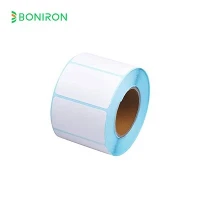
Self - adhesive labels are ubiquitous in our daily lives, found on everything from consumer products to industrial equipment. As a self - adhesive label supplier, I have witnessed firsthand the growing demand for these labels. However, it is also crucial to understand their impact on the environment.
The Production Phase
The production of self - adhesive labels involves several processes that can have environmental implications. Most self - adhesive labels are made from materials such as paper, plastic, or a combination of both.
Paper - based labels are often sourced from trees. The logging required for paper production can lead to deforestation, which in turn disrupts ecosystems, reduces biodiversity, and contributes to soil erosion. Moreover, the papermaking process consumes large amounts of water and energy. Chemicals are also used in the pulping and bleaching processes, which can contaminate water sources if not properly managed.
Plastic - based labels, on the other hand, are typically made from polymers like polyethylene, polypropylene, or polyester. The production of these plastics relies on fossil fuels, a non - renewable resource. The extraction and processing of fossil fuels release greenhouse gases into the atmosphere, contributing to climate change. Additionally, the manufacturing of plastic labels often involves high - energy processes, further increasing their carbon footprint.
The Use Phase
During the use phase, self - adhesive labels are generally considered to have a relatively low direct environmental impact. They are lightweight and do not require additional packaging or energy to function. However, the adhesives used in these labels can sometimes pose problems. Some adhesives contain volatile organic compounds (VOCs), which can be released into the air during application and use. VOCs can contribute to air pollution and have negative health effects on humans, such as respiratory problems and eye irritation.
Another issue during the use phase is the potential for label waste. When products are discarded, the labels often go with them. If not properly separated and recycled, these labels can end up in landfills, where they may take a long time to decompose, especially if they are made of plastic.
The Disposal Phase
The disposal of self - adhesive labels is a significant environmental concern. As mentioned earlier, plastic labels can persist in the environment for hundreds of years. In landfills, they take up space and can release harmful chemicals as they break down. When labels are incinerated, they can release toxic pollutants into the air, such as dioxins and furans, which are known to be carcinogenic.
Recycling self - adhesive labels is challenging. The combination of different materials, such as paper backing and plastic facestock, along with the adhesive, makes it difficult to separate and process them. Even when recycling is possible, the process often requires specialized equipment and techniques, which may not be widely available.
Our Efforts as a Supplier
As a self - adhesive label supplier, we are committed to reducing the environmental impact of our products. We are constantly exploring new materials and manufacturing processes that are more sustainable.
For example, we are increasingly using recycled materials in our label production. By using recycled paper or plastic, we can reduce the demand for virgin resources and minimize the environmental impact of logging and fossil fuel extraction. We also offer labels made from biodegradable or compostable materials, such as cellulose - based films, which can break down naturally in the environment.
In terms of adhesives, we are working on developing low - VOC and water - based adhesives. These adhesives not only reduce air pollution but also have fewer health risks for workers and consumers.


Product Recommendations
If you are looking for self - adhesive labels with a lower environmental impact, we recommend our Security Label Sticker. These labels are made with a combination of recycled materials and use a low - VOC adhesive. They are suitable for a variety of applications, including product security and identification.
Our Bopp Sticker Materials are another great option. BOPP (Biaxially Oriented Polypropylene) is a type of plastic that can be recycled. Our BOPP sticker materials are designed to be easily recyclable, reducing their environmental impact at the end of their life cycle.
For those who need a more specialized label, our Self Adhesive Yellow Bottom Transparent PET is a great choice. PET (Polyethylene Terephthalate) is a widely recycled plastic, and our label is designed to be compatible with existing recycling systems.
Conclusion
The impact of self - adhesive labels on the environment is complex and multifaceted. While they offer many benefits in terms of product identification and branding, their production, use, and disposal can have negative environmental consequences. As a self - adhesive label supplier, we recognize our responsibility to minimize these impacts. By using sustainable materials, developing eco - friendly adhesives, and promoting recycling, we can help reduce the environmental footprint of our products.
If you are interested in learning more about our environmentally friendly self - adhesive labels or would like to discuss your specific requirements, we encourage you to contact us for a procurement consultation. We are committed to providing high - quality, sustainable label solutions that meet your needs while also protecting the environment.
References
- "Environmental Impact of Plastic Packaging." Journal of Environmental Science and Technology.
- "Sustainable Paper Production and Its Environmental Implications." Forestry Research Journal.
- "Recycling of Self - Adhesive Labels: Challenges and Opportunities." Waste Management Review.