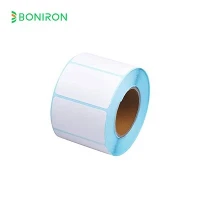
Hey there! As a self-adhesive label supplier, I've been in the game for quite a while, and one question that often comes up is, "How do you measure the adhesion strength of self-adhesive labels?" It's a crucial aspect, especially when you're looking to ensure your labels stay put in various conditions. So, let's dive right in and explore the different ways to measure this important property.
Why Measuring Adhesion Strength Matters
Before we get into the measurement methods, let's talk about why it's so important. Adhesion strength determines how well a label will stick to a surface. Whether it's a product label on a bottle, a shipping label on a box, or a promotional sticker on a window, you want it to stay in place. If the adhesion is too weak, the label might fall off, which can be a huge problem for your brand. On the other hand, if it's too strong, it could damage the surface when removed. So, finding the right balance is key.
Common Methods for Measuring Adhesion Strength
1. Peel Test
The peel test is one of the most common ways to measure adhesion strength. It involves peeling a label off a surface at a specific angle and speed while measuring the force required to do so. There are different types of peel tests, such as the 90-degree peel test and the 180-degree peel test.
In a 90-degree peel test, the label is peeled away from the surface at a 90-degree angle. This test is often used for flexible labels on rigid surfaces. The force required to peel the label is measured using a force gauge. The higher the force, the stronger the adhesion.
The 180-degree peel test is similar, but the label is peeled back at a 180-degree angle. This test is commonly used for labels on flexible surfaces, like plastic bags. It gives a good indication of how well the label will stick and how easily it can be removed.
2. Shear Test
The shear test measures the ability of a label to resist forces that try to slide it along the surface. In this test, a weight is applied to the label, and the time it takes for the label to start moving or the distance it moves is measured. A label with high shear strength will be able to withstand the applied force for a longer time or move a shorter distance.
3. Tensile Test
The tensile test measures the force required to pull a label apart. This is important for labels that might be subjected to stretching or pulling during use. By measuring the tensile strength, you can ensure that the label won't tear or break easily.
Factors Affecting Adhesion Strength
There are several factors that can affect the adhesion strength of self-adhesive labels. Understanding these factors can help you choose the right label for your application.
1. Surface Type
The type of surface the label is applied to plays a big role in adhesion strength. Smooth surfaces like glass or plastic generally provide better adhesion than rough or porous surfaces. For example, a label might stick better to a polished metal surface than to a rough wooden surface.
2. Temperature and Humidity
Temperature and humidity can also have a significant impact on adhesion. In general, higher temperatures can increase the adhesion strength, while lower temperatures can decrease it. Humidity can also affect the adhesion, as moisture can weaken the adhesive bond.
3. Adhesive Type
There are different types of adhesives used in self-adhesive labels, such as permanent adhesives, removable adhesives, and repositionable adhesives. Each type has its own adhesion characteristics, and the choice of adhesive depends on the application. For example, a permanent adhesive is ideal for labels that need to stay in place for a long time, while a removable adhesive is better for labels that need to be removed without leaving a residue.
Our Products and Adhesion Strength
At our company, we offer a wide range of self-adhesive labels with different adhesion strengths to meet various needs. For example, our Bopp Sticker Materials are known for their excellent adhesion on a variety of surfaces. They are made from high-quality materials and use advanced adhesive technology to ensure a strong and long-lasting bond.
Our A4 Blank Fragile Anti Conterfeit Paper Stickers are designed with a special adhesive that provides both good adhesion and anti-counterfeiting features. These stickers are perfect for products that need to be protected from tampering.
And our White Sticky Self Adhesive Labels are a popular choice for general labeling applications. They have a strong adhesion and are easy to apply and remove.
Conclusion
Measuring the adhesion strength of self-adhesive labels is an important step in ensuring the quality and performance of your labels. By using the right measurement methods and understanding the factors that affect adhesion, you can choose the best labels for your specific application.


If you're interested in our self-adhesive labels or have any questions about adhesion strength, feel free to reach out. We're here to help you find the perfect solution for your labeling needs. Let's work together to make your products stand out with high-quality labels!
References
- ASTM International. (2017). Standard Test Methods for Peel Adhesion of Pressure-Sensitive Tape. ASTM D3330/D3330M-17.
- ISO. (2018). Adhesives - Determination of Peel Resistance of Adhesive Bonds - Part 1: 180° Peel. ISO 8510-1:2018.