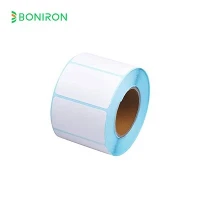
Selecting the right self adhesive for your project is a crucial decision that can significantly impact the outcome. As a self adhesive supplier, I understand the importance of this choice and am here to guide you through the process. In this blog, I'll share some key factors to consider when choosing a self adhesive, and provide insights based on my experience in the industry.
Understanding Your Project Requirements
The first step in choosing the right self adhesive is to understand the specific requirements of your project. Consider the following aspects:
Surface Material
The surface where the self adhesive will be applied plays a vital role in determining the appropriate adhesive type. Different surfaces have different characteristics, such as smoothness, porosity, and texture. For example, if you're applying the adhesive to a smooth glass surface, you'll need an adhesive that provides strong adhesion without leaving residue. On the other hand, if the surface is porous, like wood or paper, you may need an adhesive that can penetrate the pores for a more secure bond.
Environmental Conditions
The environmental conditions in which the self adhesive will be used are also important. Factors such as temperature, humidity, and exposure to sunlight can affect the performance of the adhesive. If your project will be exposed to extreme temperatures or high humidity, you'll need an adhesive that can withstand these conditions without losing its adhesion. For outdoor applications, look for adhesives that are UV-resistant to prevent fading and degradation.
Durability
Consider how long the self adhesive needs to last. If it's a temporary application, such as a promotional sticker, you may not need a highly durable adhesive. However, for long-term applications, like product labels or signage, you'll want an adhesive that can maintain its adhesion over time. Look for adhesives that are rated for a specific lifespan and are resistant to wear and tear.
Application Method
The way you plan to apply the self adhesive can also influence your choice. Some adhesives are designed for manual application, while others are suitable for automated processes. If you're using a printing machine or a labeling system, make sure the adhesive is compatible with the equipment. Additionally, consider the ease of application and whether the adhesive requires any special tools or techniques.
Types of Self Adhesives
There are several types of self adhesives available, each with its own unique properties and applications. Here are some common types:
Pressure-Sensitive Adhesives (PSAs)
Pressure-sensitive adhesives are the most widely used type of self adhesive. They bond to surfaces when pressure is applied, without the need for heat or solvents. PSAs are available in a variety of formulations, including acrylic, rubber, and silicone. Acrylic PSAs offer excellent adhesion, durability, and resistance to UV light and chemicals. Rubber PSAs are known for their flexibility and strong initial tack. Silicone PSAs are often used in high-temperature applications and have good release properties.
Heat-Activated Adhesives
Heat-activated adhesives require heat to activate the bonding process. They are commonly used in applications where a strong, permanent bond is required, such as in the automotive and electronics industries. Heat-activated adhesives can be applied as a film or a powder and are typically cured using a heat press or an oven.
Solvent-Based Adhesives
Solvent-based adhesives contain a solvent that evaporates during the bonding process, leaving behind a strong adhesive film. They offer high initial tack and good adhesion to a variety of surfaces. However, solvent-based adhesives can be flammable and may emit volatile organic compounds (VOCs), which can be harmful to the environment and human health. Therefore, they should be used in well-ventilated areas.
Water-Based Adhesives
Water-based adhesives are a more environmentally friendly alternative to solvent-based adhesives. They are formulated with water as the carrier and are typically non-toxic and low in VOCs. Water-based adhesives offer good adhesion and are suitable for a wide range of applications, including paper, cardboard, and fabric.
Our Product Recommendations
As a self adhesive supplier, we offer a wide range of products to meet the diverse needs of our customers. Here are some of our recommended products:


Matt White PVC Self Adhesive Label
This product is made of high-quality PVC material with a matte finish, providing a professional and elegant look. It offers excellent adhesion to a variety of surfaces and is suitable for product labeling, promotional stickers, and more.
PP STICKER PAPER FOR INKJET PRINTNG
This paper is specifically designed for inkjet printing, offering high-resolution printing and vibrant colors. It has a strong adhesive backing that ensures a secure bond to the surface. It's ideal for creating custom labels, stickers, and decals.
Self Adhesive Common Vinyl
This vinyl is a versatile self adhesive material that can be used for a variety of applications, including signage, vehicle graphics, and wall decals. It offers good durability and resistance to weathering, making it suitable for both indoor and outdoor use.
How to Test the Adhesive
Before using a self adhesive for your project, it's a good idea to test it on a small, inconspicuous area of the surface. This will help you determine if the adhesive is compatible with the surface and if it provides the desired level of adhesion. Here's how to conduct a test:
- Clean the surface where you'll be applying the adhesive to remove any dirt, dust, or grease.
- Cut a small piece of the adhesive and apply it to the test area. Press firmly to ensure good contact.
- Let the adhesive sit for the recommended time specified by the manufacturer.
- Check the adhesion by gently pulling on the edge of the adhesive. If it comes off easily or leaves residue, the adhesive may not be suitable for your project.
Conclusion
Choosing the right self adhesive for your project requires careful consideration of your project requirements, the type of adhesive, and the surface material. By understanding these factors and conducting proper testing, you can ensure that you select an adhesive that provides a strong, durable bond and meets your specific needs.
If you're still unsure which self adhesive is right for your project, or if you have any questions about our products, please don't hesitate to contact us. Our team of experts is here to assist you and help you find the perfect solution for your project. We look forward to working with you and helping you achieve your goals.
References
- "Adhesive Technology Handbook" by Henry P. Schreiber
- "The Handbook of Pressure-Sensitive Adhesive Technology" by Donatas Satas