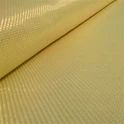
In the dynamic landscape of textile innovation, hybrid fabrics have emerged as a revolutionary force, captivating industries with their unique blend of properties. As a dedicated supplier of hybrid fabrics, I am excited to explore the market prospects of these remarkable materials, delving into their applications, benefits, and the factors driving their growing demand.
Understanding Hybrid Fabrics
Hybrid fabrics are created by combining two or more different types of fibers, either through blending, laminating, or weaving techniques. This strategic combination allows for the synergistic integration of the distinct properties of each fiber, resulting in a fabric that offers enhanced performance characteristics compared to traditional single-fiber materials. For example, a hybrid fabric might combine the strength and heat resistance of Aramid Fabric with the moisture-wicking and comfort of a synthetic fiber, creating a fabric that is both durable and comfortable to wear.
Applications of Hybrid Fabrics
One of the key drivers of the market prospects for hybrid fabrics is their wide range of applications across various industries. In the automotive sector, hybrid fabrics are being increasingly used for interior components, such as seats, door panels, and headliners. Their combination of strength, durability, and aesthetic appeal makes them an ideal choice for enhancing the comfort and safety of vehicles. Additionally, hybrid fabrics can help reduce the weight of automotive parts, contributing to improved fuel efficiency and reduced emissions.
In the aerospace industry, hybrid fabrics are highly valued for their lightweight yet strong properties. They are used in the manufacturing of aircraft interiors, including seat covers, wall panels, and insulation materials. The excellent flame resistance and low smoke generation of hybrid fabrics make them essential for ensuring the safety of passengers and crew. Moreover, their ability to withstand extreme temperatures and mechanical stress makes them suitable for use in critical structural components.
The sports and outdoor industry also benefits greatly from the use of hybrid fabrics. In sportswear, hybrid fabrics can provide a combination of breathability, stretch, and moisture management, allowing athletes to perform at their best in various conditions. For outdoor gear, such as tents, backpacks, and sleeping bags, hybrid fabrics offer high strength, water resistance, and durability, ensuring that equipment can withstand the rigors of the outdoors.
Another significant application of hybrid fabrics is in the protective clothing industry. Aramid Fiber Fabric Kevlar is often combined with other fibers to create fabrics that offer excellent cut, abrasion, and heat resistance. These fabrics are used in the production of safety gloves, jackets, and pants for workers in industries such as manufacturing, construction, and firefighting. The ability of hybrid fabrics to provide multiple layers of protection makes them a preferred choice for ensuring the safety of workers in hazardous environments.
Benefits of Hybrid Fabrics
The market prospects for hybrid fabrics are further enhanced by the numerous benefits they offer. One of the primary advantages is the ability to customize the properties of the fabric to meet specific requirements. By selecting the appropriate combination of fibers and manufacturing techniques, it is possible to create a fabric that has the exact balance of strength, flexibility, comfort, and other performance characteristics needed for a particular application.
Hybrid fabrics also tend to be more cost-effective in the long run compared to single-fiber materials. While the initial cost of hybrid fabrics may be slightly higher, their superior performance and durability often result in lower replacement costs over time. Additionally, the ability to use hybrid fabrics to replace multiple single-fiber materials can simplify the manufacturing process and reduce overall production costs.
In terms of environmental sustainability, hybrid fabrics can offer significant advantages. By combining natural and synthetic fibers, it is possible to create a fabric that has a lower environmental impact than traditional synthetic fabrics. For example, some hybrid fabrics incorporate recycled fibers, reducing the demand for virgin materials and minimizing waste. Additionally, the durability of hybrid fabrics means that they have a longer lifespan, reducing the need for frequent replacements and ultimately reducing the amount of textile waste in landfills.
Market Trends and Growth Drivers
The market for hybrid fabrics is expected to experience significant growth in the coming years, driven by several key trends. One of the main factors contributing to this growth is the increasing demand for high-performance materials in various industries. As companies strive to improve the quality and performance of their products, they are turning to hybrid fabrics to meet their specific requirements.


Another trend driving the market is the growing focus on sustainability. Consumers are becoming more environmentally conscious and are demanding products that are made from sustainable materials. Hybrid fabrics, with their potential to incorporate recycled fibers and reduce environmental impact, are well-positioned to meet this demand.
Technological advancements in fabric manufacturing processes are also playing a crucial role in the growth of the hybrid fabric market. New techniques for blending, laminating, and weaving fibers are allowing for the creation of more advanced and sophisticated hybrid fabrics. These advancements are expanding the range of applications for hybrid fabrics and making them more accessible to a wider range of industries.
Challenges and Opportunities
While the market prospects for hybrid fabrics are promising, there are also some challenges that need to be addressed. One of the main challenges is the complexity of manufacturing hybrid fabrics. Combining different types of fibers requires specialized knowledge and expertise, as well as advanced manufacturing equipment. This can make the production process more expensive and time-consuming compared to traditional single-fiber fabrics.
Another challenge is the need for standardization in the industry. As the market for hybrid fabrics grows, there is a need for clear standards and regulations to ensure the quality and performance of these materials. This will help to build consumer confidence and promote the widespread adoption of hybrid fabrics.
Despite these challenges, there are also numerous opportunities for companies in the hybrid fabric market. The increasing demand for high-performance, sustainable materials presents a significant opportunity for suppliers to develop innovative hybrid fabrics that meet the needs of various industries. Additionally, the growing trend towards customization and personalization in the textile industry provides an opportunity for companies to offer unique and tailored hybrid fabric solutions.
Conclusion and Call to Action
In conclusion, the market prospects for hybrid fabrics are extremely promising. With their wide range of applications, numerous benefits, and the support of key market trends, hybrid fabrics are poised to play an increasingly important role in the textile industry. As a leading supplier of hybrid fabrics, we are committed to providing our customers with high-quality, innovative products that meet their specific needs.
If you are interested in learning more about our hybrid fabric solutions or exploring potential partnerships, we encourage you to reach out to us. Our team of experts is available to discuss your requirements and provide you with detailed information about our products. Let's work together to drive innovation and create a more sustainable future with hybrid fabrics.
References
- [Author's Name]. (Year). [Title of Book/Article]. [Publisher].
- [Author's Name]. (Year). [Title of Book/Article]. [Publisher].
- [Author's Name]. (Year). [Title of Book/Article]. [Publisher].