Self-adhesive products have become ubiquitous in various industries, from packaging to labeling. As a self-adhesive supplier, I often encounter inquiries about the suitability of self-adhesive materials for medical use. This blog post aims to explore the factors that determine whether self-adhesive is suitable for medical applications and provide insights into the types of self-adhesive products that can meet the stringent requirements of the medical field.


Understanding the Requirements of Medical Applications
Medical applications demand a high level of safety, reliability, and performance. Self-adhesive materials used in medical devices, wound dressings, and other healthcare products must meet strict regulatory standards to ensure patient safety. Some of the key requirements for medical self-adhesive materials include:
- Biocompatibility: The self-adhesive material must be non-toxic and non-irritating to the skin or body tissues. It should not cause allergic reactions or other adverse effects when in contact with the human body.
- Adhesive Strength: The adhesive must provide sufficient adhesion to ensure that the medical device or dressing stays in place during use. However, it should also be removable without causing damage to the skin or leaving residue.
- Moisture Resistance: Medical applications often require self-adhesive materials to be resistant to moisture, as they may come into contact with bodily fluids or be used in wet environments.
- Sterility: In many cases, medical self-adhesive products need to be sterile to prevent the introduction of bacteria or other contaminants.
Types of Self-Adhesive Materials for Medical Use
There are several types of self-adhesive materials that can be used in medical applications, each with its own unique properties and advantages. Some of the most common types include:
- Acrylic Adhesives: Acrylic adhesives are widely used in medical applications due to their excellent biocompatibility, high adhesive strength, and resistance to moisture. They are often used in wound dressings, medical tapes, and skin electrodes.
- Silicone Adhesives: Silicone adhesives are known for their gentle adhesion and low skin irritation. They are commonly used in applications where the adhesive needs to be removed frequently, such as in ostomy products and skin protectants.
- Hot Melt Adhesives: Hot melt adhesives are thermoplastic adhesives that are melted and applied to the substrate. They offer fast bonding and high adhesive strength, making them suitable for applications such as medical device assembly and packaging.
Our Self-Adhesive Products for Medical Use
As a self-adhesive supplier, we offer a wide range of products that are suitable for medical applications. Our products are designed to meet the highest standards of quality and performance, ensuring the safety and effectiveness of medical devices and dressings. Some of our popular self-adhesive products for medical use include:
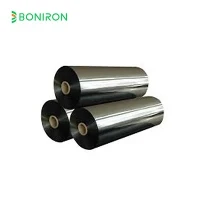
- Glossy Silver BOPP PP Film: This high-quality film offers excellent moisture resistance and adhesion, making it suitable for medical packaging and labeling applications.
- Holographic Rainbow BOPP PP Film: This unique film features a holographic rainbow effect, providing a visually appealing option for medical product packaging.
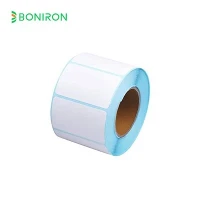
- Satin Paper Sticker: Our satin paper stickers offer a smooth and elegant finish, making them ideal for medical device labeling and identification.
Factors to Consider When Choosing Self-Adhesive for Medical Use
When selecting self-adhesive materials for medical applications, it is important to consider several factors to ensure that the product meets the specific requirements of the application. Some of the key factors to consider include:
- Application Requirements: Consider the specific requirements of the medical application, such as the type of surface the adhesive will be applied to, the duration of use, and the environmental conditions.
- Regulatory Compliance: Ensure that the self-adhesive material meets all relevant regulatory standards, such as FDA regulations in the United States or CE marking in Europe.
- Adhesive Performance: Evaluate the adhesive strength, tack, and peel resistance of the self-adhesive material to ensure that it provides the necessary adhesion for the application.
- Biocompatibility: Choose a self-adhesive material that is biocompatible and non-irritating to the skin or body tissues.
- Cost: Consider the cost of the self-adhesive material, as well as the overall cost of the medical product, to ensure that it is cost-effective.
Conclusion
Self-adhesive materials can be suitable for medical use, provided that they meet the strict requirements of the medical field. As a self-adhesive supplier, we are committed to providing high-quality products that meet the needs of our customers in the medical industry. Our range of self-adhesive products, including Glossy Silver BOPP PP Film, Holographic Rainbow BOPP PP Film, and Satin Paper Sticker, offer excellent performance and reliability for medical applications.
If you are interested in learning more about our self-adhesive products for medical use or would like to discuss your specific requirements, please feel free to contact us. We look forward to working with you to find the best self-adhesive solution for your medical application.
References
- ASTM International. (2021). Standard Guide for Selection of Medical Adhesives. ASTM F2258-16.
- European Union. (2017). Medical Devices Regulation (EU) 2017/745.
- U.S. Food and Drug Administration. (2021). Medical Device Classification Database.