


The woven roving is a critical material in the composites industry, and its quality significantly influences its performance. As a long - standing woven roving supplier, I've witnessed firsthand how various quality factors affect the final application of this product.
Fiberglass Quality in Woven Roving
The very foundation of woven roving is the fiberglass itself. The type and purity of fiberglass used play a crucial role in determining its overall quality and performance. E - glass is one of the most commonly used types in woven roving. It offers a good balance of mechanical properties, electrical insulation, and chemical resistance. High - quality E - glass has consistent chemical composition and low impurity levels.
Impurities in the fiberglass can act as stress concentration points, reducing the strength and durability of the woven roving. For example, metal particles or non - glassy substances can cause micro - cracks to form under stress, which may propagate and eventually lead to failure. On the other hand, well - refined fiberglass provides a more homogeneous structure, enabling the woven roving to withstand higher loads.
In addition, the diameter of the fiberglass filaments also matters. Finer filaments tend to offer better flexibility and more surface area for resin adhesion. A woven roving made from finer filaments can result in a smoother and more conformable material, which is beneficial for applications where intricate shaping is required. When the fiberglass filaments are of inconsistent diameter within the woven roving, it can lead to uneven resin distribution during the fabrication process. This unevenness may cause weak spots in the final composite, where the resin - fiber bond is not as strong.
Weaving Pattern and Structure
The weaving pattern of the roving has a direct impact on its performance characteristics. Two common weaving patterns are the plain weave and the twill weave.
In a plain weave, the warp and weft yarns alternate over and under each other in a simple, regular pattern. This pattern provides good dimensional stability and a relatively flat surface. Woven rovings with a plain weave are well - suited for applications where a smooth finish and uniform strength in both the warp and weft directions are required. For example, in the manufacturing of boat hulls, a plain - weave woven roving can help ensure a consistent appearance and balanced mechanical properties.
The twill weave, on the other hand, has a diagonal pattern where the warp yarns pass over two or more weft yarns before going under. This weave offers better drapability compared to the plain weave. It can conform more easily to curved surfaces without excessive wrinkling. Applications such as automotive body parts, which often have complex shapes, can benefit from the twill - weave woven roving.
The tightness of the weave also affects performance. A tighter weave generally results in a stronger and more rigid material. However, it may reduce the resin flow during the lamination process. If the weave is too loose, the woven roving may lack the necessary strength and may be more prone to fraying. Finding the right balance in weave tightness is essential for optimizing performance. For instance, in high - stress structural applications, a moderately tight weave is often preferred to provide sufficient strength without sacrificing resin impregnation.
Resin Compatibility
The compatibility between the woven roving and the resin system used in the composite is of utmost importance. The resin is responsible for transferring loads between the individual fiberglass filaments and providing the composite with its overall stiffness and durability.
High - quality woven roving should be treated with a sizing agent that enhances its adhesion to the resin. The sizing forms a chemical bond between the fiberglass and the resin, improving the interfacial shear strength. If the sizing agent is incompatible with the resin, it can lead to poor wetting, where the resin does not fully cover the fiberglass filaments. This results in voids and weak spots in the composite, significantly reducing its mechanical properties.
Different resins have different viscosity, curing characteristics, and chemical properties. For example, polyester resins are commonly used due to their relatively low cost and good general - purpose performance. They are often suitable for applications such as small fiberglass boats and inexpensive consumer products. However, epoxy resins offer superior mechanical properties, chemical resistance, and adhesion. They are more commonly used in high - performance applications such as aerospace components and high - end sports equipment. As a supplier, we need to ensure that our woven roving is designed to work well with a variety of resin systems to meet the diverse needs of our customers.
Weight and Thickness Consistency
The weight and thickness of the woven roving are important quality parameters. Consistent weight and thickness across the material ensure uniform performance. Variations in weight can lead to uneven strength distribution in the final composite. For example, if a part is made using a woven roving with inconsistent weight, some areas may be stronger than others, which can cause premature failure under stress.
The weight of the woven roving is usually specified in ounces per square yard. A higher - weight woven roving, such as the 18 Oz Woven Roving, generally offers greater strength and stiffness. However, it may also be more difficult to work with, especially in applications where flexibility and ease of shaping are required. A lower - weight woven roving is more flexible and easier to conform to complex shapes, but it may not provide enough strength for high - load applications.
Similar to weight, variations in thickness can affect resin distribution and the overall quality of the composite. If the woven roving has uneven thickness, the resin may accumulate in some areas and be deficient in others, leading to inconsistent mechanical properties.
Handling and Storage Effects on Quality
The way the woven roving is handled and stored also impacts its quality and performance. During transportation and storage, exposure to moisture can be a major issue. Moisture can degrade the sizing agent on the fiberglass, reducing its adhesion to the resin. It can also cause the fiberglass to become brittle over time. To prevent this, the woven roving should be stored in a dry environment, preferably in a climate - controlled warehouse.

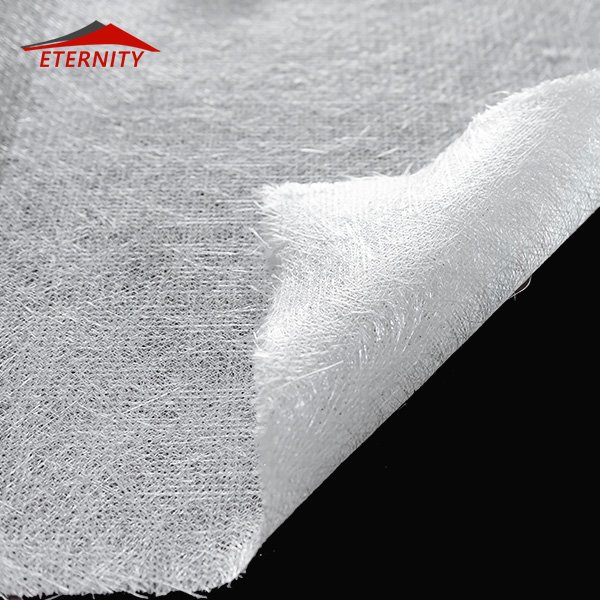
Physical damage during handling can also affect the performance of the woven roving. Sharp objects can cut the fiberglass filaments, creating weak points in the material. Rough handling can also cause the weave to become distorted, leading to uneven stress distribution. As a supplier, we take great care in packaging our woven roving to protect it during transit and ensure that it reaches our customers in top - notch condition.
Applications and Performance - Quality Relationship
The performance requirements vary depending on the application. In the construction industry, woven roving is often used for reinforcing concrete structures. Here, the strength and durability of the woven roving are of primary importance. High - quality woven roving can significantly improve the crack - resistance and load - bearing capacity of the concrete.
In the marine industry, the woven roving needs to withstand harsh environmental conditions, including exposure to saltwater, sunlight, and mechanical stress from waves. A well - made woven roving with excellent chemical resistance and high strength can ensure the long - term integrity of boat hulls and other marine components.
In the automotive industry, woven roving can be used for interior and exterior parts. For interior parts, good aesthetic properties, such as a smooth surface, are important, while exterior parts require high strength and impact resistance. Products like Woven Fiberglass Tape can be used for reinforcement in specific areas of automotive components.
In the wind energy sector, woven roving is used in the manufacture of wind turbine blades. The blades need to be lightweight yet strong enough to withstand the high - speed winds and cyclic loads. High - quality woven roving with uniform properties and excellent strength - to - weight ratio is essential for this application.
Conclusion
In summary, the quality of woven roving has a profound impact on its performance. From the raw fiberglass quality to the weaving pattern, resin compatibility, weight and thickness consistency, and handling and storage, every aspect plays a role in determining how well the woven roving will perform in its intended application.
As a reliable woven roving supplier, we are committed to providing our customers with products of the highest quality. We use advanced manufacturing processes, strict quality control measures, and continuous research and development to ensure that our woven roving meets and exceeds the industry standards.
If you are in the market for woven roving or other related products such as Stitched Combo Mat, we invite you to contact us for further discussions. Whether you have specific requirements for a particular application or need general advice on choosing the right woven roving, our team of experts is ready to assist you. Let's work together to create high - performance composites that meet your needs.
References
- "Handbook of Composites" by Lubin George.
- "Fiberglass Reinforcements in Composites" by various authors in the Journal of Composite Materials.
- Technical reports from the American Composites Manufacturers Association (ACMA).


